Buy pl24.eu ?
We are moving the project
pl24.eu .
Are you interested in purchasing the domain
pl24.eu ?
domain@kv-gmbh.de · 0541-91531010
Buy pl24.eu ?
Which option is better: tankless water heater or water storage tank?
The better option between a tankless water heater and a water storage tank depends on your specific needs and preferences. Tankless water heaters are more energy-efficient and provide hot water on demand, but they can be more expensive upfront. Water storage tanks are typically cheaper to install but may lead to energy wastage as they continuously heat water even when not in use. Consider factors such as your household size, hot water usage patterns, and budget to determine which option is best for you. **
Which option is better: tankless water heater or water storage heater?
The better option between a tankless water heater and a water storage heater depends on your specific needs and preferences. Tankless water heaters are more energy-efficient and provide an endless supply of hot water, but they can be more expensive to install. On the other hand, water storage heaters are typically less expensive upfront and can handle high-demand periods, but they are less energy-efficient and have a limited supply of hot water. Consider factors such as your hot water usage, budget, and space availability to determine which option is better for your situation. **

Similar search terms for Tankless
Top-Angebote
Products related to Tankless:
-
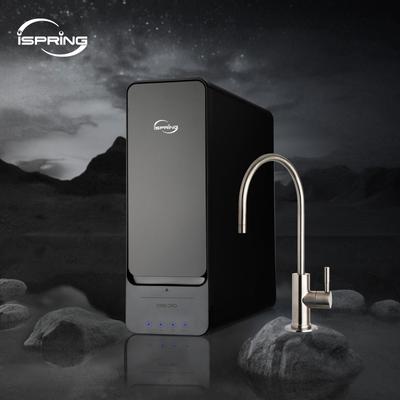
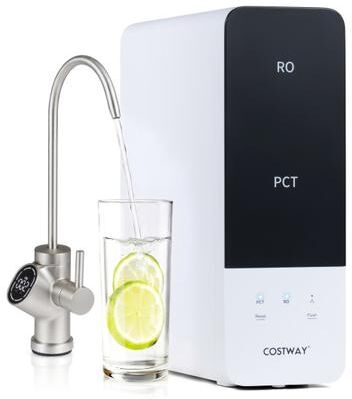
iSpring RO800G+UVF8 Tankless RO System with UV Light, Brushed Nickel Faucet[Efficient Water Management] - The RO800G-UV under-sink reverse osmosis water filter stands out with an impressive 2.5:1 pure-to-waste water ratio, conserving up to 750% more water than traditional systems.819,99 $*Shipping: 0,00 $Secure redirect to the provider
-
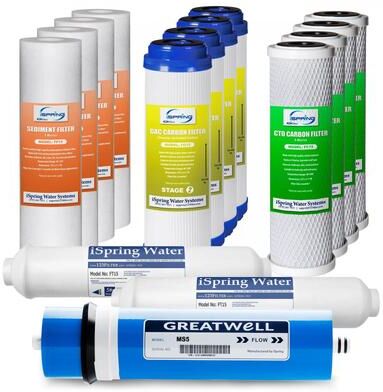
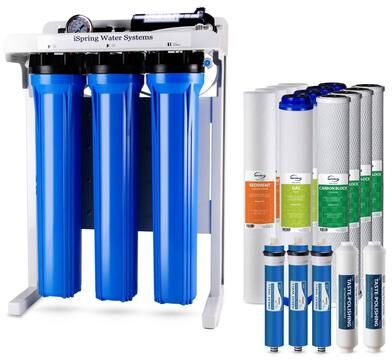
iSpring, 500 GPD Tankless RO System Replacement Filter Set, 2-year Supply, fits RCS5TFeatures: 2-Year Supply of replacement filters for iSpring 500GPD commercial tankless RO system 15 filter cartridges individually wrapped for freshness One piece of 500GPD RO membrane included Guarantees the performance of the iSpring reverse osmosis…283,94 $*Shipping: 0,00 $Secure redirect to the provider
-
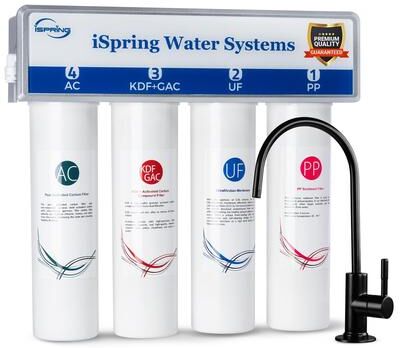
iSpring CUA4-BLK 0.01 Micron Under Sink Water Filter System, High Capacity Tankless Ultrafiltration Water FilterPowerful 4-Stage Filtration: This under sink water filter system combines PP sediment, KDF, GAC, and a 0.01 micron ultrafiltration membrane to reduce chlorine, lead, rust, chloramine, hydrogen sulfide, and heavy metals—while preserving essential...285,59 $*Shipping: 0,00 $Secure redirect to the provider

-
What is a tankless water heater?
A tankless water heater is a type of water heater that heats water on demand, rather than storing hot water in a tank. When hot water is needed, cold water flows through the unit and is heated by a heat source, such as a gas burner or electric element. Tankless water heaters are more energy-efficient than traditional tank water heaters because they only heat water when it is needed, reducing standby heat loss. They also provide a continuous supply of hot water, as they are not limited by the size of a tank. **
-
Can a tankless water heater explode?
While it is extremely rare, a tankless water heater can potentially explode if there is a malfunction or a buildup of pressure within the unit. However, modern tankless water heaters are equipped with safety features such as pressure relief valves to prevent such incidents. It is important to properly maintain and service your tankless water heater to reduce the risk of any potential issues. **
-
Is a tankless water heater dangerous?
Tankless water heaters are not inherently dangerous, but like any appliance, they can pose risks if not properly installed or maintained. If installed incorrectly, there is a risk of gas leaks or carbon monoxide poisoning. Additionally, if the unit is not properly maintained, there is a risk of overheating or electrical malfunctions. However, with proper installation and regular maintenance, tankless water heaters can be a safe and efficient option for providing hot water in a home. **
-
What does my tankless water heater consume?
A tankless water heater consumes energy to heat water on demand, rather than storing hot water in a tank. The energy consumption of a tankless water heater depends on factors such as the flow rate of hot water needed, the temperature of the incoming water, and the efficiency of the unit. Generally, tankless water heaters are more energy-efficient than traditional tank water heaters because they only heat water when it is needed, reducing standby energy losses. **
Can a tankless water heater burn out?
Yes, a tankless water heater can burn out if it is not properly maintained or if it is subjected to excessive use or high water pressure. Over time, the heating elements or other components of the tankless water heater can wear out or fail, leading to a burnout. Regular maintenance and proper installation can help prevent burnouts in tankless water heaters. **
Are there alternatives to tankless water heaters?
Yes, there are alternatives to tankless water heaters. Traditional tank water heaters are a common alternative, where water is stored and heated in a large tank until it is needed. Heat pump water heaters are another option, which use electricity to move heat from the air or ground to heat water. Solar water heaters are also available, using the sun's energy to heat water. Each type of water heater has its own advantages and disadvantages, so it's important to consider your specific needs and preferences when choosing the best option for your home. **
Top-Angebote
Products related to Tankless:
-
iSpring RO800G+UVF8 Tankless RO System with UV Light, Brushed Nickel Faucet[Efficient Water Management] - The RO800G-UV under-sink reverse osmosis water filter stands out with an impressive 2.5:1 pure-to-waste water ratio, conserving up to 750% more water than traditional systems.819,99 $*Shipping: 0,00 $Secure redirect to the provider
-
iSpring, 500 GPD Tankless RO System Replacement Filter Set, 2-year Supply, fits RCS5TFeatures: 2-Year Supply of replacement filters for iSpring 500GPD commercial tankless RO system 15 filter cartridges individually wrapped for freshness One piece of 500GPD RO membrane included Guarantees the performance of the iSpring reverse osmosis…283,94 $*Shipping: 0,00 $Secure redirect to the provider
-
Which option is better: tankless water heater or water storage tank?
The better option between a tankless water heater and a water storage tank depends on your specific needs and preferences. Tankless water heaters are more energy-efficient and provide hot water on demand, but they can be more expensive upfront. Water storage tanks are typically cheaper to install but may lead to energy wastage as they continuously heat water even when not in use. Consider factors such as your household size, hot water usage patterns, and budget to determine which option is best for you. **
-
Which option is better: tankless water heater or water storage heater?
The better option between a tankless water heater and a water storage heater depends on your specific needs and preferences. Tankless water heaters are more energy-efficient and provide an endless supply of hot water, but they can be more expensive to install. On the other hand, water storage heaters are typically less expensive upfront and can handle high-demand periods, but they are less energy-efficient and have a limited supply of hot water. Consider factors such as your hot water usage, budget, and space availability to determine which option is better for your situation. **
-
What is a tankless water heater?
A tankless water heater is a type of water heater that heats water on demand, rather than storing hot water in a tank. When hot water is needed, cold water flows through the unit and is heated by a heat source, such as a gas burner or electric element. Tankless water heaters are more energy-efficient than traditional tank water heaters because they only heat water when it is needed, reducing standby heat loss. They also provide a continuous supply of hot water, as they are not limited by the size of a tank. **
-
Can a tankless water heater explode?
While it is extremely rare, a tankless water heater can potentially explode if there is a malfunction or a buildup of pressure within the unit. However, modern tankless water heaters are equipped with safety features such as pressure relief valves to prevent such incidents. It is important to properly maintain and service your tankless water heater to reduce the risk of any potential issues. **
Similar search terms for Tankless
-
iSpring CUA4-BLK 0.01 Micron Under Sink Water Filter System, High Capacity Tankless Ultrafiltration Water FilterPowerful 4-Stage Filtration: This under sink water filter system combines PP sediment, KDF, GAC, and a 0.01 micron ultrafiltration membrane to reduce chlorine, lead, rust, chloramine, hydrogen sulfide, and heavy metals—while preserving essential...285,59 $*Shipping: 0,00 $Secure redirect to the provider
-
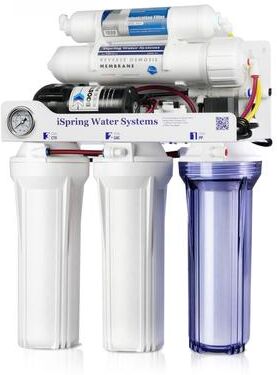
iSpring RCB3P Light Commercial Tankless Reverse Osmosis Water Filtration System, Removes up to 99% contaminant, Extra Filter SetPowerful RO Water Filtration System – This high-capacity reverse osmosis system removes up to 99% of over 1,000 contaminants and hardness, including PFAS (PFOA and PFOS), lead (up to 98%), chlorine, fluoride, arsenic, asbestos, calcium, sodium, and...957,17 $*Shipping: 0,00 $Secure redirect to the provider
-
Is a tankless water heater dangerous?
Tankless water heaters are not inherently dangerous, but like any appliance, they can pose risks if not properly installed or maintained. If installed incorrectly, there is a risk of gas leaks or carbon monoxide poisoning. Additionally, if the unit is not properly maintained, there is a risk of overheating or electrical malfunctions. However, with proper installation and regular maintenance, tankless water heaters can be a safe and efficient option for providing hot water in a home. **
-
What does my tankless water heater consume?
A tankless water heater consumes energy to heat water on demand, rather than storing hot water in a tank. The energy consumption of a tankless water heater depends on factors such as the flow rate of hot water needed, the temperature of the incoming water, and the efficiency of the unit. Generally, tankless water heaters are more energy-efficient than traditional tank water heaters because they only heat water when it is needed, reducing standby energy losses. **
-
Can a tankless water heater burn out?
Yes, a tankless water heater can burn out if it is not properly maintained or if it is subjected to excessive use or high water pressure. Over time, the heating elements or other components of the tankless water heater can wear out or fail, leading to a burnout. Regular maintenance and proper installation can help prevent burnouts in tankless water heaters. **
-
Are there alternatives to tankless water heaters?
Yes, there are alternatives to tankless water heaters. Traditional tank water heaters are a common alternative, where water is stored and heated in a large tank until it is needed. Heat pump water heaters are another option, which use electricity to move heat from the air or ground to heat water. Solar water heaters are also available, using the sun's energy to heat water. Each type of water heater has its own advantages and disadvantages, so it's important to consider your specific needs and preferences when choosing the best option for your home. **
* All prices are inclusive of VAT and, if applicable, plus shipping costs. The offer information is based on the details provided by the respective shop and is updated through automated processes. Real-time updates do not occur, so deviations can occur in individual cases. ** Note: Parts of this content were created by AI.