Buy pl24.eu ?
We are moving the project
pl24.eu .
Are you interested in purchasing the domain
pl24.eu ?
domain@kv-gmbh.de · 0541-91531010
Buy pl24.eu ?
'Will + participle 2?'
"Will + participle 2" is a construction used to form the future perfect tense in English. It is used to indicate an action that will be completed before a specific point in the future. This construction is formed by using the auxiliary verb "will" followed by the past participle of the main verb. For example, "By the time you arrive, I will have finished my homework." **
What are the Latin forms of the present participle, perfect passive participle, and future active participle?
The Latin present participle is formed by adding -ns, -ntis to the present stem of the verb. For example, the present participle of the verb "amo" (I love) is "amans, amantis" (loving). The perfect passive participle is formed by adding -us, -a, -um to the verb stem. For example, the perfect passive participle of the verb "amo" is "amatus, amata, amatum" (loved). The future active participle is formed by adding -urus, -ura, -urum to the verb stem. For example, the future active participle of the verb "amo" is "amaturus, amatura, amaturum" (about to love). **
Similar search terms for Participle
Top-Angebote
Products related to Participle:
-
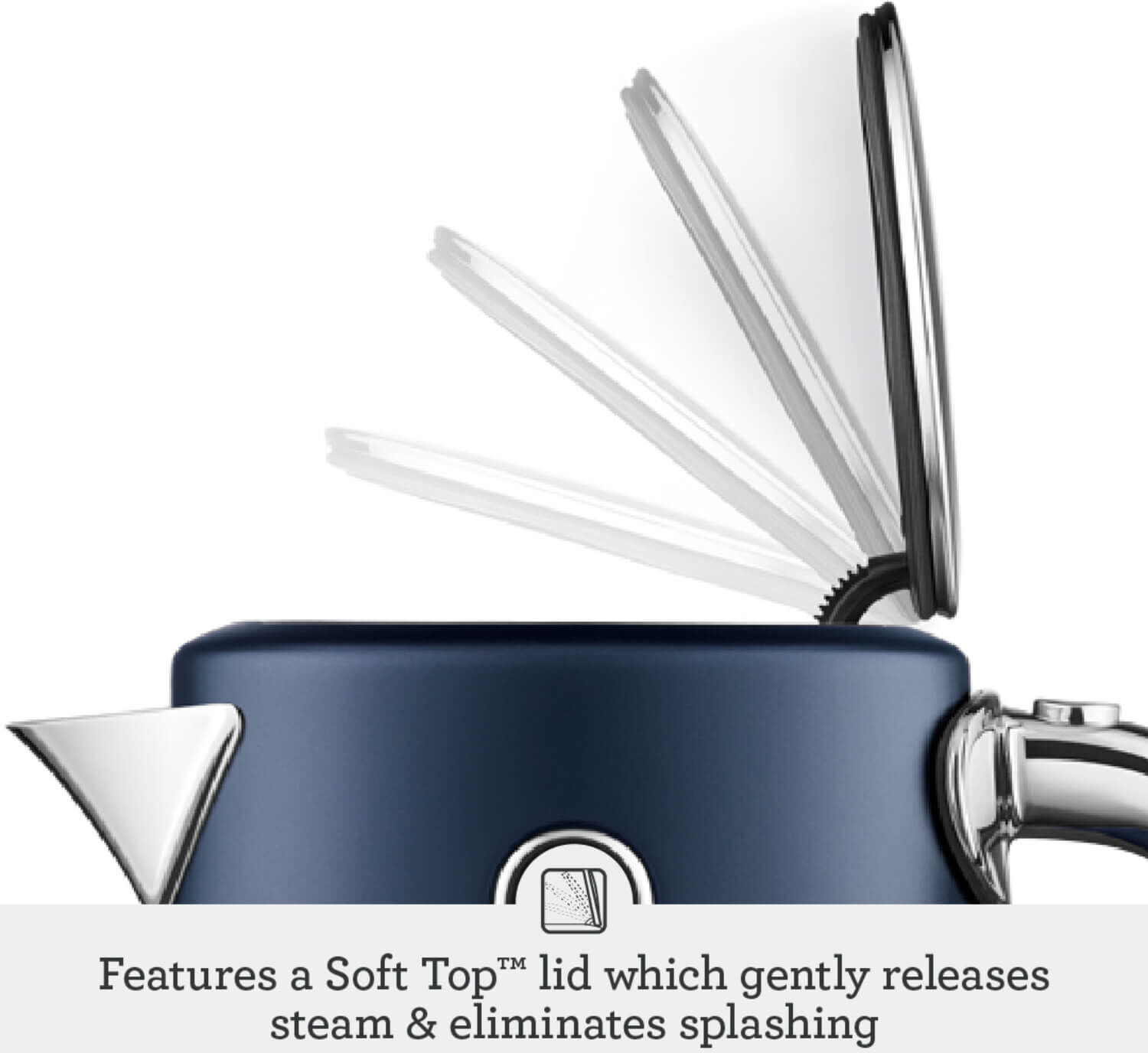
Sage Appliances SKE735DBL Soft Top Luxe Kettle - Damson BlueSoft Top Luxe Kettle by Sage Appliances is practical and stylish with an on-trend Damson Blue finish. Featuring a soft opening lid that gently opens up to release steam and prevent splashing of hot water. The base of the kettle provides power and allows 360° use making it ideal for left and right-handed users. This jug kettle has a generous 1.7-litre capacity that can hold up to 7 cups of water. Product Features Large 1.7-litre capacity can boil up to 7 cups Made from quality stainless steel Soft Top lid gently opens the lid to release steam and prevent splashing Sleek ergonomic handle is stylish and practical offering greater grip and comfort Complementing toaster is also available separately subject to availability Other Information Model: SKE735DBL (Damson Blue) Power: 2400W Voltage: 220 - 240V Automatic Shut Off: Yes Boil Dry Protection: Yes Dimensions: W 17.4cm x D 23.3cm x H 24.2cm Guarantee: 2 Years108,95 £*Shipping: 0,00 £Secure redirect to the provider
-
Sage Appliances The Knock Box™ 20 - Sea SaltSage Appliances presents the Knock Box™ 20 in Sea Salt, the essential accessory for your coffee machine that will elevate your coffee experience. Say goodbye to messy cleanups—simply tap the portafilter against the knock bar to effortlessly and neatly dispose of the coffee puck. Product Features Capacity: 20 Espresso Pucks Durable knock bar is removable for easy cleaning Anti-slip base for stability on the countertop Other products are available in the Sage range Dimensions: W 16.4cm x D 16.2cm x H 16.2cm 2-Year Guarantee Hand wash only39,95 £*Shipping: 4,99 £Secure redirect to the provider
-
Jla Home/Furniture & Decor Caymus Storage Bench Gray , GrayThe Caymus Storage Bench offers a chic simplicity designed by Martha Stewart. With natural-finished wood legs, the bench features a wide upholstered design in light gray woven polyester with piped accents. The 3.25 thick, foam-filled cushion also...299,99 $*Shipping: 0,00 $Secure redirect to the provider


-
What are participle clauses?
Participle clauses are a type of clause that uses a present participle (-ing form) or a past participle (-ed form) to provide additional information about the subject of the main clause. They can be used to show simultaneous actions, cause and effect, or to provide descriptive details. For example, in the sentence "Feeling tired, she decided to go to bed," the participle clause "Feeling tired" provides additional information about the subject "she." **
-
What is a participle?
A participle is a form of a verb that can function as an adjective or be part of a verb phrase. There are two types of participles in English: the present participle, which ends in -ing (e.g. "walking"), and the past participle, which can end in -ed, -en, -d, -t, -n, or -ne (e.g. "broken"). Participles are used to modify nouns or pronouns, and they can also be used to form verb tenses such as the present perfect or past perfect. **
-
What is the difference between the past participle and the present participle?
The past participle is a verb form used to indicate a completed action or state that occurred in the past. It is often used with auxiliary verbs to form the perfect tenses (e.g., "has eaten," "had gone"). The present participle, on the other hand, is a verb form used to indicate an ongoing action or state in the present or future. It is formed by adding "-ing" to the base form of the verb and is used to create the progressive tenses (e.g., "is eating," "will be going"). **
-
How can the terms premature, simultaneous, and subsequent be explained in relation to past participle, present participle, and future participle?
The terms premature, simultaneous, and subsequent can be explained in relation to past participle, present participle, and future participle based on their timing in relation to the action of the verb. The past participle refers to an action that has already been completed, making it premature in relation to the present moment. The present participle refers to an action that is happening at the same time as something else, making it simultaneous. The future participle refers to an action that will happen at a later time, making it subsequent to the present moment. These terms help to clarify the timing of the action in relation to the verb. **

What is a nominalized participle?
A nominalized participle is a verb form that has been turned into a noun. This is done by adding a suffix to the participle form of the verb, which allows it to function as a noun in a sentence. Nominalized participles are commonly used in various languages to express actions or qualities in a more abstract or general way. **
What is a substantivized participle?
A substantivized participle is a verb form that has been turned into a noun by adding a definite article and declining it for case, gender, and number. In other words, it is a participle that has been transformed into a noun and can function as a subject, object, or complement in a sentence. This process allows the participle to take on the characteristics of a noun while still retaining some of its verbal qualities. **
Top-Angebote
Products related to Participle:
-
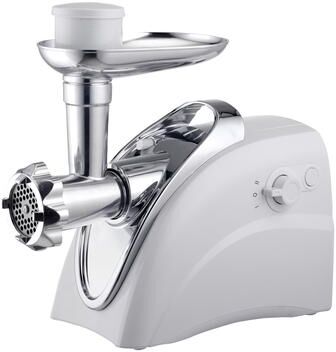
Brentwood Appliances MG-400W White Meat GrinderThis heavy Duty Grinder comes with Stainless Steel Cutting Blades and includes 2pcs of High grade Stainless Steel Cutting discs. It is designed to take on any challenge and is perfect for your signature ground beef and sausages.146,99 $*Shipping: 0,00 $Secure redirect to the provider
-
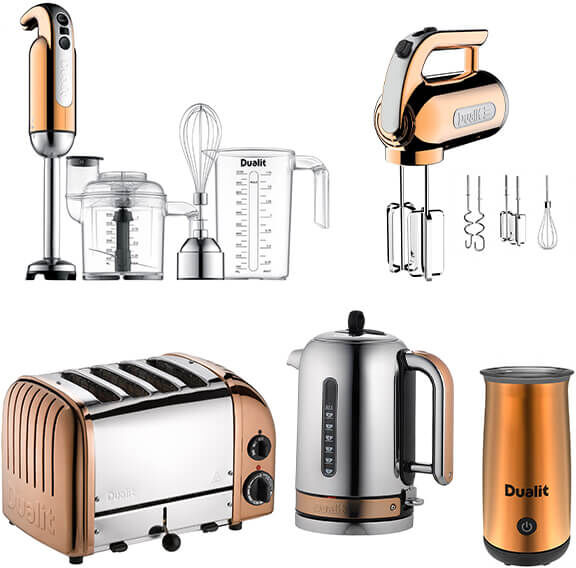
Dualit Copper Set of 5 Kitchen AppliancesElevate Your Kitchen with the Dualit Copper Set of 5 Kitchen Appliances, Where Iconic Meets Elegant. Introducing the Dualit Copper Collection, a reimagined range of classic kitchen appliances with a touch of flair. Designed to bring timeless style and unmatched functionality to your kitchen, this stunning set includes the Classic 4 slice Toaster, Classic Kettle, Cocoatiser Hot Chocolate Maker, Hand Mixer, and Hand Blender, the Copper Collection seamlessly combines high performance with striking aesthetics, making every meal preparation feel like an indulgent experience. Hand Mixer: Power Meets Precision The Dualit Hand Mixer is a sleek, versatile tool designed for the passionate home baker. Its powerful 400W motor and variety of attachments make it perfect for mixing, whipping, kneading, and more. From delicate meringues to dense doughs, this mixer effortlessly handles a wide range of tasks, ensuring perfect results every time. Hand Blender: Versatility at Your Fingertips The 700W Dualit Hand Blender is your go-to kitchen tool for chopping, pureeing, and whisking. With an ergonomic grip and patented anti-suction technology, it offers unmatched control for all your blending needs. Whether you’re making smoothies, soups, or sauces, its variable speed options (7,000-18,000rpm) and powerful turbo function make it a true kitchen workhorse. Classic Toaster: Timeless Design, Modern Features. The 4-Slice Classic Toaster combines Dualit's signature design with advanced features, including ProHeat elements for perfect toasting and a defrost setting for frozen bread. Its energy-efficient slot selector allows you to toast only what you need—perfect for a quick bagel or a full family breakfast. Classic Kettle: Quiet Yet Powerful The Classic Kettle from Dualit offers both style and practicality. Its replaceable element prolongs the lifespan, while Whisper Boil technology ensures a quieter kitchen environment. With a rapid-boil 3kW element, this kettle delivers hot water in a flash. Cocoatiser: Café-Quality Indulgence at Home Treat yourself to rich, smooth hot chocolate at home with the Dualit Cocoatiser™. Create barista-style hot chocolate with your favorite chocolate, experimenting with different types and flavors. The Cocoatiser ensures a velvety texture that rivals your favorite café, making every sip a delight. The Dualit Copper Collection is a statement in both function and form, designed to make everyday moments extraordinary.549,95 £*Shipping: 0,00 £Secure redirect to the provider
-
Sage Appliances SKE735DBL Soft Top Luxe Kettle - Damson BlueSoft Top Luxe Kettle by Sage Appliances is practical and stylish with an on-trend Damson Blue finish. Featuring a soft opening lid that gently opens up to release steam and prevent splashing of hot water. The base of the kettle provides power and allows 360° use making it ideal for left and right-handed users. This jug kettle has a generous 1.7-litre capacity that can hold up to 7 cups of water. Product Features Large 1.7-litre capacity can boil up to 7 cups Made from quality stainless steel Soft Top lid gently opens the lid to release steam and prevent splashing Sleek ergonomic handle is stylish and practical offering greater grip and comfort Complementing toaster is also available separately subject to availability Other Information Model: SKE735DBL (Damson Blue) Power: 2400W Voltage: 220 - 240V Automatic Shut Off: Yes Boil Dry Protection: Yes Dimensions: W 17.4cm x D 23.3cm x H 24.2cm Guarantee: 2 Years108,95 £*Shipping: 0,00 £Secure redirect to the provider
-
'Will + participle 2?'
"Will + participle 2" is a construction used to form the future perfect tense in English. It is used to indicate an action that will be completed before a specific point in the future. This construction is formed by using the auxiliary verb "will" followed by the past participle of the main verb. For example, "By the time you arrive, I will have finished my homework." **
-
What are the Latin forms of the present participle, perfect passive participle, and future active participle?
The Latin present participle is formed by adding -ns, -ntis to the present stem of the verb. For example, the present participle of the verb "amo" (I love) is "amans, amantis" (loving). The perfect passive participle is formed by adding -us, -a, -um to the verb stem. For example, the perfect passive participle of the verb "amo" is "amatus, amata, amatum" (loved). The future active participle is formed by adding -urus, -ura, -urum to the verb stem. For example, the future active participle of the verb "amo" is "amaturus, amatura, amaturum" (about to love). **
-
What are participle clauses?
Participle clauses are a type of clause that uses a present participle (-ing form) or a past participle (-ed form) to provide additional information about the subject of the main clause. They can be used to show simultaneous actions, cause and effect, or to provide descriptive details. For example, in the sentence "Feeling tired, she decided to go to bed," the participle clause "Feeling tired" provides additional information about the subject "she." **
-
What is a participle?
A participle is a form of a verb that can function as an adjective or be part of a verb phrase. There are two types of participles in English: the present participle, which ends in -ing (e.g. "walking"), and the past participle, which can end in -ed, -en, -d, -t, -n, or -ne (e.g. "broken"). Participles are used to modify nouns or pronouns, and they can also be used to form verb tenses such as the present perfect or past perfect. **
Similar search terms for Participle
-
Sage Appliances The Knock Box™ 20 - Sea SaltSage Appliances presents the Knock Box™ 20 in Sea Salt, the essential accessory for your coffee machine that will elevate your coffee experience. Say goodbye to messy cleanups—simply tap the portafilter against the knock bar to effortlessly and neatly dispose of the coffee puck. Product Features Capacity: 20 Espresso Pucks Durable knock bar is removable for easy cleaning Anti-slip base for stability on the countertop Other products are available in the Sage range Dimensions: W 16.4cm x D 16.2cm x H 16.2cm 2-Year Guarantee Hand wash only39,95 £*Shipping: 4,99 £Secure redirect to the provider
-
Jla Home/Furniture & Decor Caymus Storage Bench Gray , GrayThe Caymus Storage Bench offers a chic simplicity designed by Martha Stewart. With natural-finished wood legs, the bench features a wide upholstered design in light gray woven polyester with piped accents. The 3.25 thick, foam-filled cushion also...299,99 $*Shipping: 0,00 $Secure redirect to the provider
-
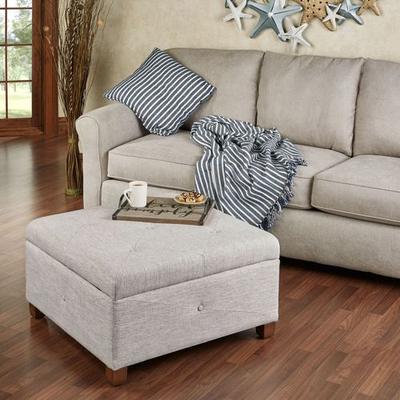
Jla Home/Furniture & Decor Caroline Storage Ottoman Tan , TanThe versatile Caroline Tan Storage Ottoman offers good looks, utility, and function. This wooden ottoman is beautifully covered in a tufted, heathered tan polyester fabric and is perfect in your living space. The cushioned top is great for sitting...289,00 $*Shipping: 0,00 $Secure redirect to the provider
-
Sage Appliances Smart Kettle & 4 Slice Toaster Set - Stainless SteelEnjoy breakfast in style with the Sage Smart Kettle and 4 slice toaster set in Brushed Stainless Steel. Both items in the set are modern and practical delivering exceptional performance thanks to real-world feedback and innovative engineering. The kettle in the range features a generous 1.7-litre capacity, 20 minute keep warm function for when you don't need to use all the boiled water at once, plus the smart 5 pre-programmed temperature settings to suit all different types of hot drinks for you and your guests! Also included in this set is the complimenting 4 slice toaster, created from a robust die-cast construction and will cater to a wide selection of bread, crumpets and other items. Smart technology includes options for 'Fruit Bread', 'A Quick Look™’, and ‘A Bit More™ so that you can enjoy breakfast just the way you like it! Product Features (Kettle) Generous 1.7-litre capacity 20 minute keep warm function Soft open lid releases steam and prevents splashing 360-degree base with added cord storage wrap for neat worktops 5 pre-programmed temperature settings 2-year guarantee Product Features (Toaster) Smart Toast® with motorised Fruit Bread, A Quick Look™, and A Bit More™ eliminates guessing Includes automatic raising and lowering, crumpet and defrost settings Easy to follow toasting progress with the LED countdown indicator 4 Slice extra-wide and deep slots cater to a wide selection of bread types A Bit More™ lowers the motorised carriage to allow for slightly longer A Quick Look™ activates the carriage to gently raise the bread to view Developed using real-world feedback to stand out from competing brands 2 Slice Toaster is also available 2-year guarantee Items Included Sage SKE825BSS Smart Kettle - Stainless Steel Sage BTA845UK Smart Toast 4 Slice Toaster - Stainless Steel276,95 £*Shipping: 0,00 £Secure redirect to the provider
-
What is the difference between the past participle and the present participle?
The past participle is a verb form used to indicate a completed action or state that occurred in the past. It is often used with auxiliary verbs to form the perfect tenses (e.g., "has eaten," "had gone"). The present participle, on the other hand, is a verb form used to indicate an ongoing action or state in the present or future. It is formed by adding "-ing" to the base form of the verb and is used to create the progressive tenses (e.g., "is eating," "will be going"). **
-
How can the terms premature, simultaneous, and subsequent be explained in relation to past participle, present participle, and future participle?
The terms premature, simultaneous, and subsequent can be explained in relation to past participle, present participle, and future participle based on their timing in relation to the action of the verb. The past participle refers to an action that has already been completed, making it premature in relation to the present moment. The present participle refers to an action that is happening at the same time as something else, making it simultaneous. The future participle refers to an action that will happen at a later time, making it subsequent to the present moment. These terms help to clarify the timing of the action in relation to the verb. **
-
What is a nominalized participle?
A nominalized participle is a verb form that has been turned into a noun. This is done by adding a suffix to the participle form of the verb, which allows it to function as a noun in a sentence. Nominalized participles are commonly used in various languages to express actions or qualities in a more abstract or general way. **
-
What is a substantivized participle?
A substantivized participle is a verb form that has been turned into a noun by adding a definite article and declining it for case, gender, and number. In other words, it is a participle that has been transformed into a noun and can function as a subject, object, or complement in a sentence. This process allows the participle to take on the characteristics of a noun while still retaining some of its verbal qualities. **
* All prices are inclusive of VAT and, if applicable, plus shipping costs. The offer information is based on the details provided by the respective shop and is updated through automated processes. Real-time updates do not occur, so deviations can occur in individual cases. ** Note: Parts of this content were created by AI.