Buy pl24.eu ?
We are moving the project
pl24.eu .
Are you interested in purchasing the domain
pl24.eu ?
domain@kv-gmbh.de · 0541-91531010
Buy pl24.eu ?
Which textiles bleed?
Textiles made from natural fibers such as cotton, linen, and silk are more likely to bleed when washed. This is because natural fibers have a tendency to release dye when they come into contact with water and detergent. On the other hand, synthetic fibers like polyester and nylon are less likely to bleed because they are typically dyed using different methods that make the dye more resistant to washing. It's important to follow the care instructions on the garment's label to minimize bleeding and preserve the color of the fabric. **
What are wellness textiles?
Wellness textiles are fabrics that are designed to promote health and well-being. These textiles are often infused with properties such as antimicrobial, moisture-wicking, or temperature-regulating capabilities to enhance comfort and promote a healthier environment. Wellness textiles can be used in various applications such as bedding, clothing, and home furnishings to support overall wellness and improve quality of life. **
Similar search terms for Mohawk-Rug-Textiles-Ombre
Top-Angebote
Products related to Mohawk-Rug-Textiles-Ombre:
-
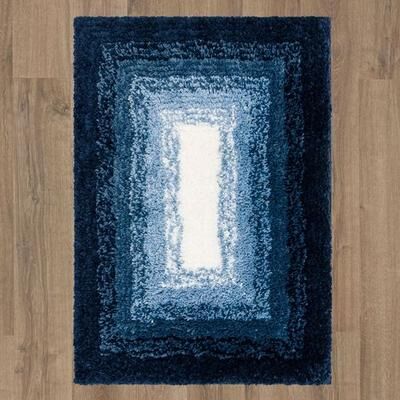
Mohawk Rug & Textiles Ombre Border Rectangle Bath Rug Midnight, 45 x 27, MidnightThe Midnight Blue Ombre Border Bath Rug invites beautiful color to your space. Handcrafted from plush 1 thick micro denier polyester, the rug features a white center with radiating solid hues. Backing is skid-resistant latex. Rectangle Rug is...59,99 $*Shipping: 0,00 $Secure redirect to the provider
-
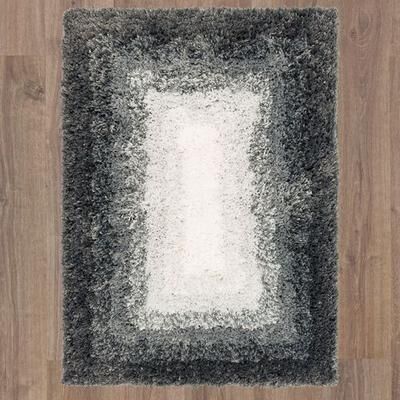
Mohawk Rug & Textiles Ombre Border Rectangle Bath Rug Dark Gray, 34 x 20, Dark GrayThe Dark Gray Ombre Border Bath Rug invites beautiful color to your space. Handcrafted from plush 1 thick micro denier polyester, the rug features a white center with radiating solid hues. Backing is skid-resistant latex. Rectangle Rug is available...39,99 $*Shipping: 0,00 $Secure redirect to the provider
-
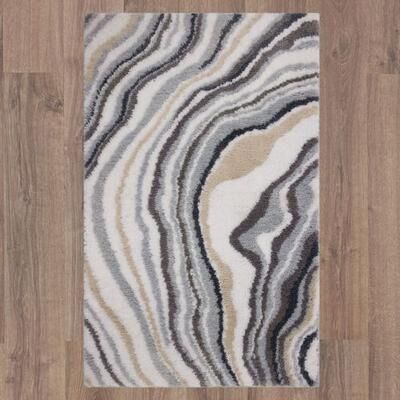
Mohawk Rug & Textiles Serpentine Rectangle Bath Rug Gray, 34 x 21, GraySerpentine marbled hues add intrigue to this super-soft bath rug. With a cushioned feel, the .5 thick rug features a micro denier polyester face backed in a thick gel foam latex that creates a nonslip, skid-resistant surface. Gray, charcoal, and...39,99 $*Shipping: 0,00 $Secure redirect to the provider
-
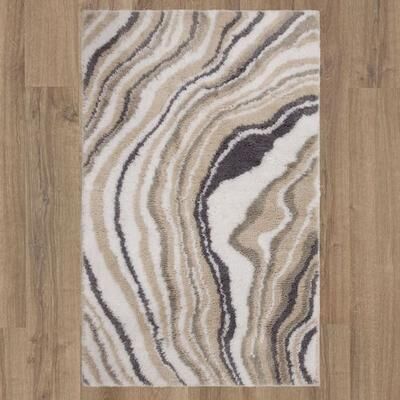
Mohawk Rug & Textiles Serpentine Rectangle Bath Rug Beige, 34 x 21, BeigeSerpentine marbled hues add intrigue to this super-soft bath rug. With a cushioned feel, the .5 thick rug features a micro denier polyester face backed in a thick gel foam latex that creates a nonslip, skid-resistant surface. Beige and light taupe...35,99 $*Shipping: 0,00 $Secure redirect to the provider
-
What is retail textiles?
Retail textiles refer to the sale of fabrics, clothing, and other textile products directly to consumers through physical stores or online platforms. This can include items such as clothing, bedding, towels, and curtains. Retail textiles encompass a wide range of products made from various materials like cotton, silk, wool, and synthetic fibers, catering to different consumer preferences and needs. Retail textile stores often offer a diverse selection of products, styles, and price points to appeal to a broad customer base. **
-
Which textiles do moths eat?
Moths are known to eat natural textiles such as wool, silk, fur, feathers, and leather. They are attracted to these materials because they contain keratin, a protein that moths can digest. Moths lay their eggs on these textiles, and the larvae feed on them, causing damage to the fabric. It is important to protect these materials from moths by storing them properly and using moth repellents. **
-
Can textiles be analyzed anywhere?
Textiles can be analyzed in various settings, including laboratories, research facilities, and even on-site at manufacturing locations or museums. The type of analysis required will determine the specific location and equipment needed. For example, simple visual inspections can be done anywhere, while more complex analyses such as chemical composition or fiber identification may require specialized equipment and controlled environments. Overall, textiles can be analyzed in a variety of settings depending on the specific needs of the analysis. **
-
Can all textiles be frozen?
Not all textiles can be frozen. While freezing can be effective in killing certain types of bacteria and pests in textiles, it may not be suitable for delicate fabrics or those that are prone to damage from moisture. It is important to check the care instructions for the specific textile before attempting to freeze it, as some fabrics may be damaged or altered by the freezing process. Additionally, freezing may not be effective in removing certain types of stains or odors from textiles. **
How can I unload textiles?
You can unload textiles by donating them to local charities or thrift stores, selling them at a garage sale or online marketplace, or recycling them through textile recycling programs. Another option is to repurpose or upcycle the textiles into new items or projects. Consider reaching out to local shelters, schools, or community centers to see if they are in need of textile donations. **
How can textiles be decolorized?
Textiles can be decolorized using a variety of methods such as bleaching, dye stripping, and color removal agents. Bleaching involves the use of chemical agents like hydrogen peroxide or sodium hypochlorite to break down and remove the color from the fabric. Dye stripping involves using reducing agents to break the chemical bonds of the dye molecules, allowing them to be washed away. Color removal agents are specific chemicals designed to target and remove certain types of dyes from textiles. Each method has its own advantages and limitations, and the choice of method depends on the type of fabric and dye being treated. **
Top-Angebote
Products related to Mohawk-Rug-Textiles-Ombre:
-
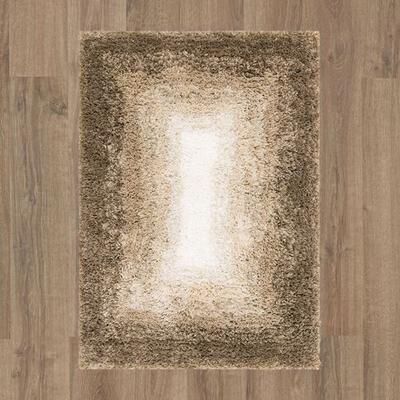
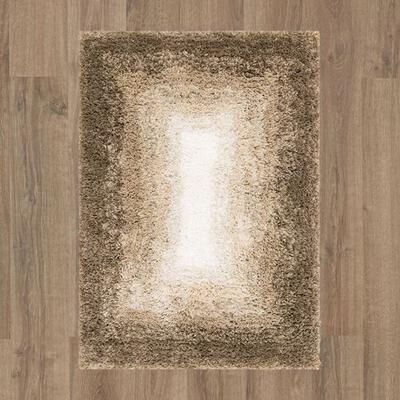
Mohawk Rug & Textiles Ombre Border Rectangle Bath Rug, 34 x 20, TanThe Tan Ombre Border Bath Rug invites beautiful color to your space. Handcrafted from plush 1 thick micro denier polyester, the rug features a white center with radiating solid hues. Backing is skid-resistant latex. Rectangle Rug is available in two...35,99 $*Shipping: 0,00 $Secure redirect to the provider
-
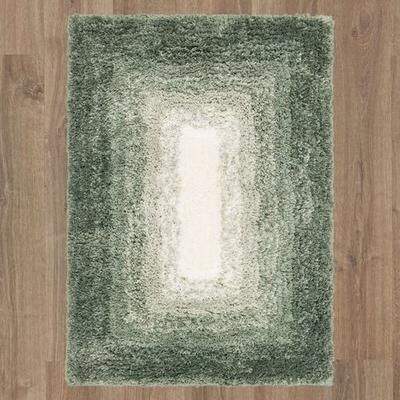
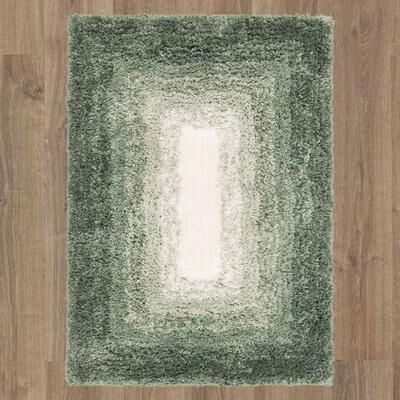
Mohawk Rug & Textiles Ombre Border Rectangle Bath Rug Seafoam, 45 x 27, SeafoamThe Seafoam Ombre Border Bath Rug invites beautiful color to your space. Handcrafted from plush 1 thick micro denier polyester, the rug features a white center with radiating solid hues. Backing is skid-resistant latex. Rectangle Rug is available in...59,99 $*Shipping: 0,00 $Secure redirect to the provider
-
Mohawk Rug & Textiles Ombre Border Rectangle Bath Rug Midnight, 45 x 27, MidnightThe Midnight Blue Ombre Border Bath Rug invites beautiful color to your space. Handcrafted from plush 1 thick micro denier polyester, the rug features a white center with radiating solid hues. Backing is skid-resistant latex. Rectangle Rug is...59,99 $*Shipping: 0,00 $Secure redirect to the provider
-
Mohawk Rug & Textiles Ombre Border Rectangle Bath Rug Dark Gray, 34 x 20, Dark GrayThe Dark Gray Ombre Border Bath Rug invites beautiful color to your space. Handcrafted from plush 1 thick micro denier polyester, the rug features a white center with radiating solid hues. Backing is skid-resistant latex. Rectangle Rug is available...39,99 $*Shipping: 0,00 $Secure redirect to the provider
-
Which textiles bleed?
Textiles made from natural fibers such as cotton, linen, and silk are more likely to bleed when washed. This is because natural fibers have a tendency to release dye when they come into contact with water and detergent. On the other hand, synthetic fibers like polyester and nylon are less likely to bleed because they are typically dyed using different methods that make the dye more resistant to washing. It's important to follow the care instructions on the garment's label to minimize bleeding and preserve the color of the fabric. **
-
What are wellness textiles?
Wellness textiles are fabrics that are designed to promote health and well-being. These textiles are often infused with properties such as antimicrobial, moisture-wicking, or temperature-regulating capabilities to enhance comfort and promote a healthier environment. Wellness textiles can be used in various applications such as bedding, clothing, and home furnishings to support overall wellness and improve quality of life. **
-
What is retail textiles?
Retail textiles refer to the sale of fabrics, clothing, and other textile products directly to consumers through physical stores or online platforms. This can include items such as clothing, bedding, towels, and curtains. Retail textiles encompass a wide range of products made from various materials like cotton, silk, wool, and synthetic fibers, catering to different consumer preferences and needs. Retail textile stores often offer a diverse selection of products, styles, and price points to appeal to a broad customer base. **
-
Which textiles do moths eat?
Moths are known to eat natural textiles such as wool, silk, fur, feathers, and leather. They are attracted to these materials because they contain keratin, a protein that moths can digest. Moths lay their eggs on these textiles, and the larvae feed on them, causing damage to the fabric. It is important to protect these materials from moths by storing them properly and using moth repellents. **
Similar search terms for Mohawk-Rug-Textiles-Ombre
-
Mohawk Rug & Textiles Serpentine Rectangle Bath Rug Gray, 34 x 21, GraySerpentine marbled hues add intrigue to this super-soft bath rug. With a cushioned feel, the .5 thick rug features a micro denier polyester face backed in a thick gel foam latex that creates a nonslip, skid-resistant surface. Gray, charcoal, and...39,99 $*Shipping: 0,00 $Secure redirect to the provider
-
Mohawk Rug & Textiles Serpentine Rectangle Bath Rug Beige, 34 x 21, BeigeSerpentine marbled hues add intrigue to this super-soft bath rug. With a cushioned feel, the .5 thick rug features a micro denier polyester face backed in a thick gel foam latex that creates a nonslip, skid-resistant surface. Beige and light taupe...35,99 $*Shipping: 0,00 $Secure redirect to the provider
-
Mohawk Rug & Textiles Ombre Border Rectangle Bath Rug, 45 x 27, TanThe Tan Ombre Border Bath Rug invites beautiful color to your space. Handcrafted from plush 1 thick micro denier polyester, the rug features a white center with radiating solid hues. Backing is skid-resistant latex. Rectangle Rug is available in two...59,99 $*Shipping: 0,00 $Secure redirect to the provider
-
Mohawk Rug & Textiles Ombre Border Rectangle Bath Rug Seafoam, 34 x 20, SeafoamThe Seafoam Ombre Border Bath Rug invites beautiful color to your space. Handcrafted from plush 1 thick micro denier polyester, the rug features a white center with radiating solid hues. Backing is skid-resistant latex. Rectangle Rug is available in...39,99 $*Shipping: 0,00 $Secure redirect to the provider
-
Can textiles be analyzed anywhere?
Textiles can be analyzed in various settings, including laboratories, research facilities, and even on-site at manufacturing locations or museums. The type of analysis required will determine the specific location and equipment needed. For example, simple visual inspections can be done anywhere, while more complex analyses such as chemical composition or fiber identification may require specialized equipment and controlled environments. Overall, textiles can be analyzed in a variety of settings depending on the specific needs of the analysis. **
-
Can all textiles be frozen?
Not all textiles can be frozen. While freezing can be effective in killing certain types of bacteria and pests in textiles, it may not be suitable for delicate fabrics or those that are prone to damage from moisture. It is important to check the care instructions for the specific textile before attempting to freeze it, as some fabrics may be damaged or altered by the freezing process. Additionally, freezing may not be effective in removing certain types of stains or odors from textiles. **
-
How can I unload textiles?
You can unload textiles by donating them to local charities or thrift stores, selling them at a garage sale or online marketplace, or recycling them through textile recycling programs. Another option is to repurpose or upcycle the textiles into new items or projects. Consider reaching out to local shelters, schools, or community centers to see if they are in need of textile donations. **
-
How can textiles be decolorized?
Textiles can be decolorized using a variety of methods such as bleaching, dye stripping, and color removal agents. Bleaching involves the use of chemical agents like hydrogen peroxide or sodium hypochlorite to break down and remove the color from the fabric. Dye stripping involves using reducing agents to break the chemical bonds of the dye molecules, allowing them to be washed away. Color removal agents are specific chemicals designed to target and remove certain types of dyes from textiles. Each method has its own advantages and limitations, and the choice of method depends on the type of fabric and dye being treated. **
* All prices are inclusive of VAT and, if applicable, plus shipping costs. The offer information is based on the details provided by the respective shop and is updated through automated processes. Real-time updates do not occur, so deviations can occur in individual cases. ** Note: Parts of this content were created by AI.