Buy pl24.eu ?
We are moving the project
pl24.eu .
Are you interested in purchasing the domain
pl24.eu ?
domain@kv-gmbh.de · 0541-91531010
Buy pl24.eu ?
From when does assets count as exempt assets?
Assets are considered exempt assets when they meet specific criteria set by the government or relevant authorities. These criteria may include the type of asset, its value, and the purpose for which it is held. Exempt assets are typically protected from being seized or liquidated in certain situations, such as bankruptcy or legal proceedings. It is important to understand the rules and regulations governing exempt assets to ensure proper protection and planning for financial security. **
What is the difference between net assets and operating assets?
Net assets refer to the total assets of a company minus its total liabilities, representing the company's equity or ownership value. On the other hand, operating assets are the assets that a company uses in its day-to-day operations to generate revenue. Operating assets are a subset of net assets and include items such as inventory, equipment, and accounts receivable. In summary, net assets represent the overall financial position of a company, while operating assets specifically pertain to the assets used in the company's core business activities. **

Similar search terms for Assets
Top-Angebote
Products related to Assets:
-
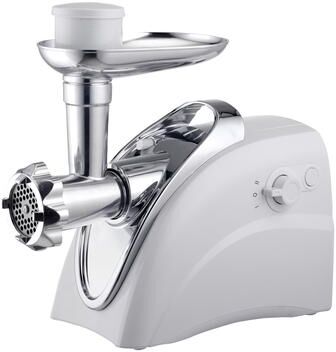
Brentwood Appliances MG-400W White Meat GrinderThis heavy Duty Grinder comes with Stainless Steel Cutting Blades and includes 2pcs of High grade Stainless Steel Cutting discs. It is designed to take on any challenge and is perfect for your signature ground beef and sausages.146,99 $*Shipping: 0,00 $Secure redirect to the provider
-
Hoya Linear Polariser (PL) Glass Filter - 49mmHoya 49mm linear polarising glass filter. Cuts reflections and glare from non-metallic surfaces such as glass and water, and deepens the saturation of blue skies and foliage. Optical glass in a screw-in mount, with a rotating front element to set the strength of the effect. As a linear polariser it can upset the autofocus and exposure metering of most modern cameras, so it suits manual-focus lenses and cameras; for autofocus cameras use a circular polariser. Screw-in 49mm thread.44,49 £*Shipping: 0,00 £Secure redirect to the provider
-
Hoya Linear Polariser (PL) Glass Filter - 40.5mmHoya 40.5mm linear polarising glass filter. Cuts reflections and glare from non-metallic surfaces such as glass and water, and deepens the saturation of blue skies and foliage. Optical glass in a lightweight aluminium ring, with a rotating front element to set the strength of the effect. As a linear polariser it can upset the autofocus and exposure metering of most modern cameras, so it suits manual-focus lenses and cameras; for autofocus cameras use a circular polariser. Screw-in 40.5mm thread.43,49 £*Shipping: 0,00 £Secure redirect to the provider


-
What is the difference between fixed assets and current assets?
Fixed assets are long-term assets that a company owns and uses to generate revenue, such as buildings, machinery, and equipment. These assets are not easily converted into cash and are expected to provide benefits to the company for more than one year. On the other hand, current assets are short-term assets that can be easily converted into cash within one year, such as cash, accounts receivable, and inventory. Current assets are used to support the day-to-day operations of a business and are essential for its liquidity and short-term financial health. **
-
What is the difference between current assets and fixed assets?
Current assets are assets that are expected to be converted into cash or used up within one year, such as cash, accounts receivable, and inventory. Fixed assets, on the other hand, are long-term assets that are not expected to be converted into cash within one year, such as property, plant, and equipment. In summary, current assets are short-term assets that are expected to be used up or converted into cash within one year, while fixed assets are long-term assets that are used to generate income over a longer period of time. **
-
How is equity, debt capital, current assets, and fixed assets combined?
Equity, debt capital, current assets, and fixed assets are combined on a company's balance sheet. Equity represents the ownership interest of the shareholders, while debt capital represents the funds borrowed by the company. Current assets, such as cash, inventory, and accounts receivable, are combined with fixed assets, such as property, plant, and equipment, to represent the total assets of the company. These components are combined to provide a snapshot of the company's financial position and to show how the company has financed its operations and investments. **
-
What are brand assets?
Brand assets are the elements that contribute to the overall value and recognition of a brand. These can include tangible assets such as logos, slogans, and packaging, as well as intangible assets like brand reputation, customer loyalty, and brand associations. Brand assets help to differentiate a brand from its competitors, build brand awareness, and create a strong brand identity in the minds of consumers. They are essential for establishing a brand's presence in the market and fostering long-term relationships with customers. **


What are special assets?
Special assets refer to unique or high-value assets that require special attention and management due to their distinct characteristics or significance. These assets may include rare collectibles, high-end real estate, valuable intellectual property, or unique investment opportunities. Special assets often require specialized expertise and strategic planning to maximize their value and mitigate risks. Proper management of special assets is essential to ensure their preservation and to capitalize on their potential for long-term growth and financial success. **
What are fixed assets?
Fixed assets are long-term tangible assets that are used in the production of goods and services and are not intended for sale. These assets are essential for the operation of a business and are expected to provide benefits for more than one year. Examples of fixed assets include buildings, machinery, equipment, land, and vehicles. Fixed assets are recorded on the balance sheet and are typically depreciated over their useful life to reflect their gradual consumption or obsolescence. **
Top-Angebote
Products related to Assets:
-
Plata Publishing FAKE: Fake Money, Fake Teachers, Fake Assets & Rich Dad Poor Dad By Robert T. Kiyosaki 2 Books Collection SetFAKE: Fake Money, Fake Teachers, Fake Assets & Rich Dad Poor Dad By Robert T. Kiyosaki 2 Books Collection Set: FAKE: Fake Money, Fake Teachers, Fake Assets: In FAKE: Fake Money, Fake Teachers, Fake Assets, Robert delivers insights and answers that help ordinary people―who probably haven’t had a lot of financial education―determine what’s ‘real’ and relevant to their financial lives. Every day we are bombarded with news reports and information and opinions… How do we decipher fact from fiction? How do we differentiate between truth and lies? And determine what’s real… from what isn’t? Kiyosaki believes that it starts with education, financial education designed to make us smarter with our money―and able to fight what’s fake and use what isn’t to secure our financial future. Rich Dad Poor Dad: Rich Dad Poor Dad is Robert's story of growing up with two dads — his real father and the father of his best friend, his rich dad — and the ways in which both men shaped his thoughts about money and investing. The book explodes the myth that you need to earn a high income to be rich and explains the difference between working for money and having your money work for you.12,95 £*Shipping: 2,99 £Secure redirect to the provider
-
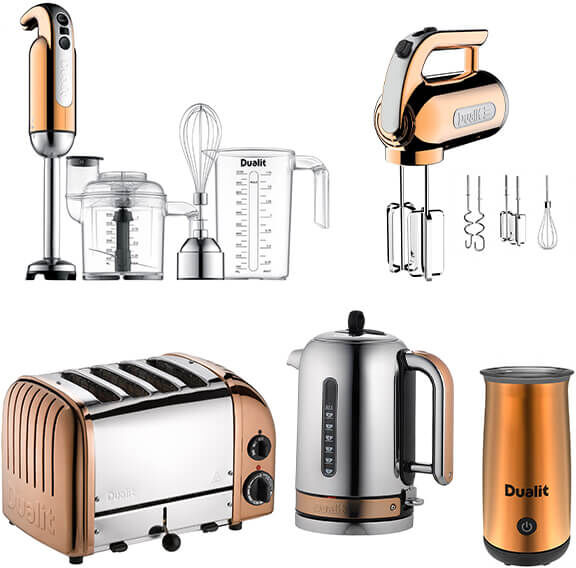
Dualit Copper Set of 5 Kitchen AppliancesElevate Your Kitchen with the Dualit Copper Set of 5 Kitchen Appliances, Where Iconic Meets Elegant. Introducing the Dualit Copper Collection, a reimagined range of classic kitchen appliances with a touch of flair. Designed to bring timeless style and unmatched functionality to your kitchen, this stunning set includes the Classic 4 slice Toaster, Classic Kettle, Cocoatiser Hot Chocolate Maker, Hand Mixer, and Hand Blender, the Copper Collection seamlessly combines high performance with striking aesthetics, making every meal preparation feel like an indulgent experience. Hand Mixer: Power Meets Precision The Dualit Hand Mixer is a sleek, versatile tool designed for the passionate home baker. Its powerful 400W motor and variety of attachments make it perfect for mixing, whipping, kneading, and more. From delicate meringues to dense doughs, this mixer effortlessly handles a wide range of tasks, ensuring perfect results every time. Hand Blender: Versatility at Your Fingertips The 700W Dualit Hand Blender is your go-to kitchen tool for chopping, pureeing, and whisking. With an ergonomic grip and patented anti-suction technology, it offers unmatched control for all your blending needs. Whether you’re making smoothies, soups, or sauces, its variable speed options (7,000-18,000rpm) and powerful turbo function make it a true kitchen workhorse. Classic Toaster: Timeless Design, Modern Features. The 4-Slice Classic Toaster combines Dualit's signature design with advanced features, including ProHeat elements for perfect toasting and a defrost setting for frozen bread. Its energy-efficient slot selector allows you to toast only what you need—perfect for a quick bagel or a full family breakfast. Classic Kettle: Quiet Yet Powerful The Classic Kettle from Dualit offers both style and practicality. Its replaceable element prolongs the lifespan, while Whisper Boil technology ensures a quieter kitchen environment. With a rapid-boil 3kW element, this kettle delivers hot water in a flash. Cocoatiser: Café-Quality Indulgence at Home Treat yourself to rich, smooth hot chocolate at home with the Dualit Cocoatiser™. Create barista-style hot chocolate with your favorite chocolate, experimenting with different types and flavors. The Cocoatiser ensures a velvety texture that rivals your favorite café, making every sip a delight. The Dualit Copper Collection is a statement in both function and form, designed to make everyday moments extraordinary.549,95 £*Shipping: 0,00 £Secure redirect to the provider
-
Brentwood Appliances MG-400W White Meat GrinderThis heavy Duty Grinder comes with Stainless Steel Cutting Blades and includes 2pcs of High grade Stainless Steel Cutting discs. It is designed to take on any challenge and is perfect for your signature ground beef and sausages.146,99 $*Shipping: 0,00 $Secure redirect to the provider
-
From when does assets count as exempt assets?
Assets are considered exempt assets when they meet specific criteria set by the government or relevant authorities. These criteria may include the type of asset, its value, and the purpose for which it is held. Exempt assets are typically protected from being seized or liquidated in certain situations, such as bankruptcy or legal proceedings. It is important to understand the rules and regulations governing exempt assets to ensure proper protection and planning for financial security. **
-
What is the difference between net assets and operating assets?
Net assets refer to the total assets of a company minus its total liabilities, representing the company's equity or ownership value. On the other hand, operating assets are the assets that a company uses in its day-to-day operations to generate revenue. Operating assets are a subset of net assets and include items such as inventory, equipment, and accounts receivable. In summary, net assets represent the overall financial position of a company, while operating assets specifically pertain to the assets used in the company's core business activities. **
-
What is the difference between fixed assets and current assets?
Fixed assets are long-term assets that a company owns and uses to generate revenue, such as buildings, machinery, and equipment. These assets are not easily converted into cash and are expected to provide benefits to the company for more than one year. On the other hand, current assets are short-term assets that can be easily converted into cash within one year, such as cash, accounts receivable, and inventory. Current assets are used to support the day-to-day operations of a business and are essential for its liquidity and short-term financial health. **
-
What is the difference between current assets and fixed assets?
Current assets are assets that are expected to be converted into cash or used up within one year, such as cash, accounts receivable, and inventory. Fixed assets, on the other hand, are long-term assets that are not expected to be converted into cash within one year, such as property, plant, and equipment. In summary, current assets are short-term assets that are expected to be used up or converted into cash within one year, while fixed assets are long-term assets that are used to generate income over a longer period of time. **
Similar search terms for Assets
-
Hoya Linear Polariser (PL) Glass Filter - 49mmHoya 49mm linear polarising glass filter. Cuts reflections and glare from non-metallic surfaces such as glass and water, and deepens the saturation of blue skies and foliage. Optical glass in a screw-in mount, with a rotating front element to set the strength of the effect. As a linear polariser it can upset the autofocus and exposure metering of most modern cameras, so it suits manual-focus lenses and cameras; for autofocus cameras use a circular polariser. Screw-in 49mm thread.44,49 £*Shipping: 0,00 £Secure redirect to the provider
-
Hoya Linear Polariser (PL) Glass Filter - 40.5mmHoya 40.5mm linear polarising glass filter. Cuts reflections and glare from non-metallic surfaces such as glass and water, and deepens the saturation of blue skies and foliage. Optical glass in a lightweight aluminium ring, with a rotating front element to set the strength of the effect. As a linear polariser it can upset the autofocus and exposure metering of most modern cameras, so it suits manual-focus lenses and cameras; for autofocus cameras use a circular polariser. Screw-in 40.5mm thread.43,49 £*Shipping: 0,00 £Secure redirect to the provider
-
Jla Home/Furniture & Decor Caroline Storage Ottoman Tan , TanThe versatile Caroline Tan Storage Ottoman offers good looks, utility, and function. This wooden ottoman is beautifully covered in a tufted, heathered tan polyester fabric and is perfect in your living space. The cushioned top is great for sitting...289,00 $*Shipping: 0,00 $Secure redirect to the provider
-
Jla Home/Furniture & Decor Caymus Storage Bench Gray , GrayThe Caymus Storage Bench offers a chic simplicity designed by Martha Stewart. With natural-finished wood legs, the bench features a wide upholstered design in light gray woven polyester with piped accents. The 3.25 thick, foam-filled cushion also...299,99 $*Shipping: 0,00 $Secure redirect to the provider
-
How is equity, debt capital, current assets, and fixed assets combined?
Equity, debt capital, current assets, and fixed assets are combined on a company's balance sheet. Equity represents the ownership interest of the shareholders, while debt capital represents the funds borrowed by the company. Current assets, such as cash, inventory, and accounts receivable, are combined with fixed assets, such as property, plant, and equipment, to represent the total assets of the company. These components are combined to provide a snapshot of the company's financial position and to show how the company has financed its operations and investments. **
-
What are brand assets?
Brand assets are the elements that contribute to the overall value and recognition of a brand. These can include tangible assets such as logos, slogans, and packaging, as well as intangible assets like brand reputation, customer loyalty, and brand associations. Brand assets help to differentiate a brand from its competitors, build brand awareness, and create a strong brand identity in the minds of consumers. They are essential for establishing a brand's presence in the market and fostering long-term relationships with customers. **
-
What are special assets?
Special assets refer to unique or high-value assets that require special attention and management due to their distinct characteristics or significance. These assets may include rare collectibles, high-end real estate, valuable intellectual property, or unique investment opportunities. Special assets often require specialized expertise and strategic planning to maximize their value and mitigate risks. Proper management of special assets is essential to ensure their preservation and to capitalize on their potential for long-term growth and financial success. **
-
What are fixed assets?
Fixed assets are long-term tangible assets that are used in the production of goods and services and are not intended for sale. These assets are essential for the operation of a business and are expected to provide benefits for more than one year. Examples of fixed assets include buildings, machinery, equipment, land, and vehicles. Fixed assets are recorded on the balance sheet and are typically depreciated over their useful life to reflect their gradual consumption or obsolescence. **
* All prices are inclusive of VAT and, if applicable, plus shipping costs. The offer information is based on the details provided by the respective shop and is updated through automated processes. Real-time updates do not occur, so deviations can occur in individual cases. ** Note: Parts of this content were created by AI.